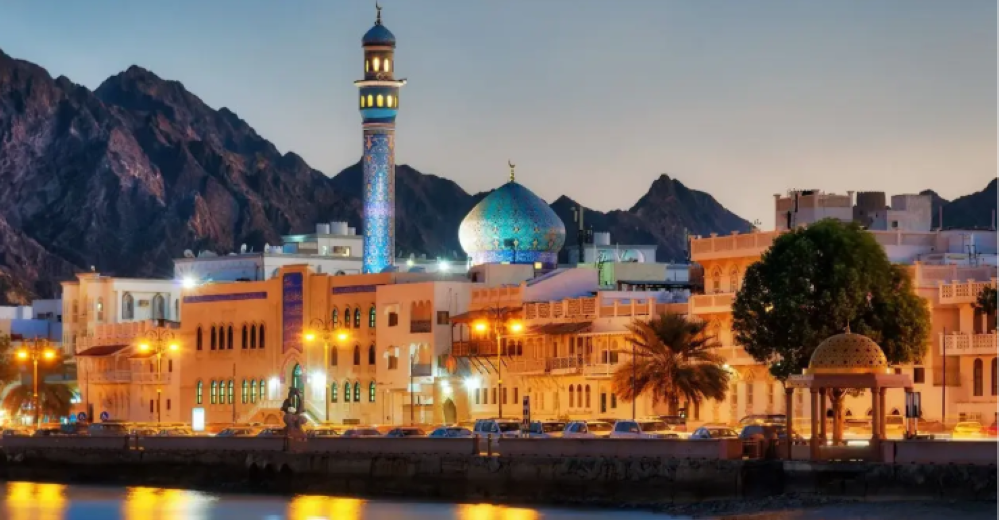





Oman is experiencing one of its hottest summers in recent years, with health professionals urging residents to adopt simple safety measures to stay protected during the peak heat season.
The National Multi-Hazard Early Warning Centre recently recorded dawn temperatures reaching 41°C in Muscat, while forecasts indicate afternoon temperatures could climb to 46–47°C in several areas. Warm conditions are expected to continue through July and August, making heat awareness more important than ever.
Dr Mahmoud al Rahbi, Head of Emergencies at Samayil Hospital under the Ministry of Health, advised residents to avoid unnecessary outdoor activities during the hottest hours of the day. For those who must go outside, he recommended staying hydrated, wearing light and loose-fitting clothing, using sun protection and taking regular breaks in shaded or air-conditioned spaces.
He stressed that children, elderly people and individuals with chronic medical conditions require extra attention during extreme heat. Symptoms such as dizziness, severe headache, nausea, confusion or fainting should not be ignored and require immediate movement to a cooler environment and medical advice.
HYDRATION, FIRST LINE OF DEFENCE
Dr Sanjay Dalal, Family Physician at Lama Polyclinic Al Khuwair, explained that prolonged exposure to high temperatures causes the body to lose water and salts through sweating, which may lead to dehydration.
“Dizziness, headache, nausea, muscle cramps and unusual tiredness are signs that the body needs rest, shade and fluids,” he said, adding that early action can prevent complications.
Dr Raman, Cardiovascular Surgeon and Chairman of Al Hayat International Hospital, recommended drinking water regularly throughout the day rather than consuming large quantities at once. He also suggested including electrolyte-rich options such as coconut water, buttermilk, oral rehydration solutions or lemon water with a pinch of salt.
A simple way to monitor hydration, he noted, is by checking urine colour — pale yellow indicates good hydration, while darker shades suggest the need for more fluids.
AVOIDING PEAK HEAT HOURS
Doctors advise residents to limit outdoor activities between noon and 4 pm, when temperatures are usually at their highest. Dr Dilip Singhvi, Specialist in Internal Medicine at burjeel hospital, recommended covering the head and face, drinking sufficient fluids before leaving home and continuing to hydrate regularly if outdoor movement is unavoidable.
Dr Benny Panakkal, Senior Consultant Interventional Cardiologist at Badr Al Samaa Hospital, also stressed avoiding direct sunlight and seeking immediate cooling if symptoms such as dizziness, severe fatigue, headache, confusion or nausea appear.
For outdoor workers, experts recommend scheduling tasks during early morning or evening hours whenever possible and taking frequent shaded breaks during peak heat periods.
Motorists are also advised to park vehicles in shaded areas, check air-conditioning systems before travelling and allow hot air to escape from parked cars before switching on the cooling system.
Choosing lighter meals and consuming water-rich fruits such as watermelon, pear and guava can also help the body cope with summer conditions.
As temperatures continue to rise, health experts say prevention remains the best protection: stay hydrated, seek shade, avoid unnecessary exposure and listen to the body’s warning signals.
Oman Observer is now on the WhatsApp channel. Click here